For business inquiries : (+971) 561803315
For special requests : (+971) 561803315
For business inquiries : (+971) 561803315
For special requests : (+971) 561803315

The Scrum Product Owner Certification Training Course provides comprehensive education on the Scrum framework, emphasizing the pivotal role of a Product Owner in delivering value to customers. Through this course, participants will gain insights into product backlog management, stakeholder collaboration, and effective product ownership practices.














Module 1: Understanding Scrum Fundamentals
Introduction to Scrum: Exploring the origins and principles of Scrum methodology.
Advantages of Scrum: Understanding the benefits that Scrum brings to organizations.
Core Concepts of Scrum: Delving into the fundamental principles and values underlying the Scrum framework.
Value Delivery with Scrum: Examining how Scrum contributes value to organizational processes.
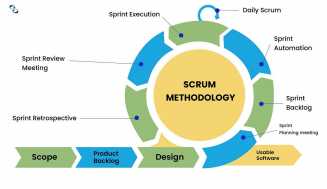
Scrum Process Overview: Visualizing the Scrum process flow through a comprehensive diagram.
Components of Scrum: Understanding the core elements that constitute the Scrum framework.
Principles of Empirical Process Control: Grasping the principles governing empirical process control within Scrum.
Module 2: Scrum Team Dynamics and Roles
Scrum Team Composition: Understanding the roles and responsibilities within the Scrum team.
Role of the Product Owner: Exploring the duties and strategies employed by the Product Owner.
Responsibilities of the Scrum Master: Examining the key responsibilities and functions of the Scrum Master.
Role of the Development Team: Understanding the contributions and collaboration of the Development Team.
Scrum Events Overview: Exploring how Scrum events complement each other in the iterative development process.
Module 3: Defining Product Vision and Goals
Crafting Product Vision: Establishing a clear and compelling vision for the product.
Communicating the Vision: Strategies for effectively sharing and communicating the product vision.
Setting Product Goals: Defining specific, measurable goals aligned with the product vision.
Qualities of a Vision: Identifying the essential characteristics of a well-defined product vision.
Relationship between Vision and Roadmap: Understanding the connection between the product vision and the product roadmap.
Module 4: Estimation Techniques in Scrum
Levels of Estimation in Scrum: Exploring different levels of estimation within the Scrum framework.
Precision in Estimation: Understanding the factors influencing the precision of estimates.
Estimating Size and Duration: Techniques for estimating the size and duration of project tasks.
Estimation vs. Commitment: Differentiating between estimation and commitment in Scrum planning.
Module 5: Managing the Product Backlog
Product Backlog Overview: Understanding the purpose and structure of the product backlog.
DEEP Product Backlog: Exploring the characteristics of a well-groomed and refined product backlog.
Product Backlog Grooming: Techniques for effectively managing and grooming the product backlog.
Module 6: Prioritization Techniques
Importance of Prioritization: Understanding the significance of prioritizing items in the product backlog.
Prioritization Methods: Exploring various methods such as MoSCoW and Kano Model for prioritizing backlog items.
Correct Prioritization Practices: Guidelines for making informed decisions in prioritizing backlog items.
Module 7: Sprint Execution and Collaboration
Role of Product Owner in Sprint Activities: Understanding the involvement of the Product Owner in sprint activities.
Sprint Process Overview: Examining the stages of the sprint process, including sprint planning, sprint backlog management, development work, sprint review, and retrospective.
Collaboration between Development Team and Product Owner: Strategies for fostering effective collaboration and communication between the Development Team and the Product Owner.
Ensuring Team Commitment: Techniques for promoting team commitment and accountability within sprints.
Module 8: Release Planning and Management
Overview of Release Management: Understanding the goals and principles of release management in Scrum.
Iterative Release Planning: Exploring the iterative and adaptable nature of release planning in Scrum.
Velocity Tracking: Utilizing velocity metrics to gauge project progress and forecast future iterations.
Visualization Tools: Using burn-down charts and Scrum boards to visualize progress and manage releases effectively.