For business inquiries : (+971) 561803315

For special requests : (+971) 561803315

A propos de la formation VMware vSAN: Management and Operations [V7] (VSANMO7)

The VMware vSAN: Management and Operations [V7] (VSANMO7) training provides comprehensive guidance on managing and operating VMware vSAN 7. This course is designed to equip storage and virtual infrastructure administrators with the necessary skills to effectively support and administer VMware vSAN 7 environments. Participants will delve into various aspects of vSAN administration, focusing on tasks such as node management, cluster maintenance, security operations, and advanced cluster operations.

Détails
Objectifs pédagogiques de la formation VMware vSAN: Management and Operations [V7] (VSANMO7)
  •  Define the tasks involved in vSAN node management
  • Perform updates and upgrades of vSAN using VMware vSphere Lifecycle Manager™
  • Explain vSAN resilience and data availability features
  • Reconfigure vSAN storage policies and analyze cluster-wide impacts
  • Execute vSAN cluster scale-out and scale-up operations
  • Describe common vSAN cluster maintenance tasks
  • Control vSAN resync operations effectively. Configure vSAN storage efficiency and reclamation features
  • Utilize VMware Skyline™ Health for monitoring cluster health- performance and storage capacity
  • Understand vSAN security operations
  • Configure vSAN Direct for cloud-native applications
  • Set up remote vSAN datastores and vSAN native file services
  • Manage advanced operations for two-node clusters and stretched clusters.

Qui devrait suivre cette formation VMware vSAN: Management and Operations [V7] (VSANMO7) ?

Public visé par la formation VMware vSAN: Management and Operations [V7] (VSANMO7)

This training is ideal for storage and virtual infrastructure administrators who hold responsibility for the production support and administration of VMware vSAN 7 environments. It caters to professionals seeking to enhance their proficiency in vSAN management and operations.  

Prérequis de la formation VMware vSAN: Management and Operations [V7] (VSANMO7)

Completion of the VMware vSphere: Install, Configure, Manage [V7] (VSICM7) course or possessing equivalent knowledge is mandatory. Additionally, participants are required to have completed the VMware vSAN: Plan and Deploy [V7] (VSANPD7) course.

Formations Similaires

  • Juniper Networks Certified Internet Associate (JNCIA-Junos) Détails
  • WebSphere Application Server V8.5.5 Détails
  • Windows Server 2022: Hyper-V Virtualisation and Containers Détails
  • Microsoft Exchange Server 2019 Administration Détails
  • VMware vSAN: Management and Operations [V7] (VSANMO7) Détails
  • NetApp Data Protection Administration Data ONTAP 8.3 Détails
  • ADMINISTERING SYSTEM CENTER CONFIGURATION MANAGER Détails
  • SCCM 2021 ( Windows 10) Détails
  • Windows 11 Détails
  • Certification Windows 2022, mise en œuvre et administration Détails
  • Linux Red Hat 8, administration de serveur Détails
  • MCSA Windows Server 2022 Détails
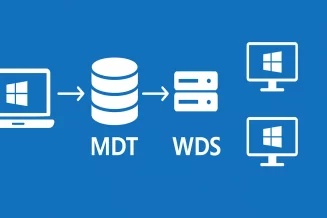
  • Windows 10 - Déploiement avec MDT (Microsoft Deployment Toolkit) Détails
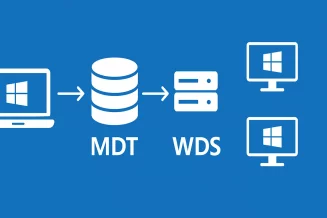
  • Windows 10 - Déploiement avec MDT (Microsoft Deployment Toolkit) Détails
  • Red Hat Certified Engineer (RHEL 8 RHCE) Détails
  • LPIC-1: Linux Administrator (101-500 and 102-500) Détails
  • LPIC-2: Linux Engineer (201-450 and 202-450) Détails
  • The Puppet Certified Professional (Puppet 206) Détails
  • Jenkins Training For Continuous Integration Détails

Déroulé de la formation VMware vSAN: Management and Operations [V7] (VSANMO7)


Module 1: Course Introduction

Introductions and course logistics

Overview of course objectives


Module 2: vSAN Node Management

Understanding hardware compatibility and its significance

Ensuring compatibility of driver and firmware versions

Utilizing tools for automated driver validation and installation

Applying host hardware settings for optimal performance

Performing upgrades using vSphere Lifecycle Manager


Module 3: vSAN Resilience and Data Availability Operations

Understanding vSAN storage policies

Managing the impact of vSAN storage policy changes

Configuring advanced options like Object Repair Timer

Planning disk replacement and maintenance tasks

Managing snapshot utilization and configuring fault domains


Module 4: vSAN Cluster Maintenance

Performing typical vSAN maintenance operations

Understanding vSAN maintenance modes and data evacuation

Assessing impact on cluster objects during maintenance

Exiting maintenance mode and post-maintenance data actions

Best practices for host and vSAN cluster shutdowns, reboots, and node replacements


Module 5: vSAN Storage Space Efficiency

Discussion on deduplication and compression techniques

Configuring erasure coding and swap object thin provisioning

Exploring storage space reclamation with SCSI UNMAP and TRIM/UNMAP


Module 6: vSAN Cluster Performance Monitoring

Utilizing Customer Experience Improvement Program (CEIP)

Monitoring vSAN cluster health using vSphere Skyline Health

Managing alerts, alarms, and notifications

Configuring custom alarms and using IO Insight metrics for performance monitoring

Utilizing vsantop performance metrics and proactive tests for cluster diagnosis


Module 7: vSAN Security Operations

Differentiating between VM encryption and vSAN encryption

Performing ongoing data security operations

Understanding data-in-transit encryption workflow and replacing Key Management Server (KMS)


Module 8: vSAN Direct

Exploring use cases for vSAN Direct

Understanding vSAN Direct architecture and workflow

Configuring vSAN Direct datastore creation and storage policy tagging


Module 9: Remote vSAN

Discussing use cases and high-level architecture for remote vSAN

Understanding remote datastore operations and network requirements

Exploring interoperability with VMware vSphere High Availability


Module 10: vSAN Native File Service

Exploring use cases and architecture of vSAN file service

Configuring file shares, monitoring health, and managing capacity utilization


Module 11: Advanced vSAN Cluster Operations

Understanding stretched clusters and two-node clusters architecture

Importance of witness node and managing stretched cluster storage policies

Creating and applying specific policies, discussing failure scenarios and responses
 

Formations Similaires
Juniper Networks Certified Internet Associate (JNCIA-Junos) Détails
WebSphere Application Server V8.5.5 Détails
Windows Server 2022: Hyper-V Virtualisation and Containers Détails
Microsoft Exchange Server 2019 Administration Détails
VMware vSAN: Management and Operations [V7] (VSANMO7) Détails
NetApp Data Protection Administration Data ONTAP 8.3 Détails
ADMINISTERING SYSTEM CENTER CONFIGURATION MANAGER Détails
SCCM 2021 ( Windows 10) Détails
Windows 11 Détails
Certification Windows 2022, mise en œuvre et administration Détails
Linux Red Hat 8, administration de serveur Détails
MCSA Windows Server 2022 Détails
Windows 10 - Déploiement avec MDT (Microsoft Deployment Toolkit) Détails
Red Hat Certified Engineer (RHEL 8 RHCE) Détails
LPIC-1: Linux Administrator (101-500 and 102-500) Détails
LPIC-2: Linux Engineer (201-450 and 202-450) Détails
The Puppet Certified Professional (Puppet 206) Détails
Jenkins Training For Continuous Integration Détails

Vous pouvez faire l’inscription ou la demande du devis avec un seul click