For business inquiries : (+971) 561803315
For special requests : (+971) 561803315
For business inquiries : (+971) 561803315
For special requests : (+971) 561803315

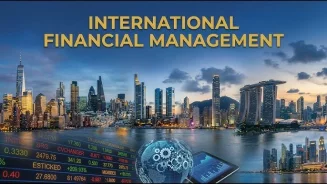
Course Description International Financial Management provides a comprehensive introduction to the complexities of managing finances on a global scale. It delves into various financial instruments, foreign exchange contracts, and the dynamics of global financial markets. The course explores the role of central banks, the impact of globalization, and the growth of derivatives. Additionally, it covers topics like international trade, currency crises, and the balance of international transactions.
Introduction to Global Financial Systems
Overview of WTO Regulations and Globalization Trends
Role of Central Banks in Global Economy
Principles of International Financial Policies
Understanding Currency Trading Mechanics
Key Concepts in Exchange Controls
Exploring Forwards, Swaps, and Interest Parity
Analysis of Forward Markets and Interest Rate Determinants
Margin Requirements and Their Significance
Insights into Futures and Forward Contracts
Dual Currency Markets and Their Operations
Interest Parity with Bid/Ask Spread Dynamics
Functions and Economic Impacts of Futures Markets
Introduction to Foreign Currency Options
Spot Exchange Options and Their Applications
Options on Foreign Currency Futures
Exploring Eurocurrency Markets and Operations
Eurobanking and Key Eurocurrency Centers
Syndicated Eurocredits and Their Implementation
Eurocurrency Futures and Options Trading
Procedures for New Bond Issues
Valuation and Hedging Strategies for Eurobonds
Exploring Caps, Floors, and Collars in Bond Markets
Forecasting Techniques in Global Financial Markets
Understanding Purchasing Power Parity (PPP)
Overview of Asian Banking Systems
Analyzing Currency Crises and Their Impacts
Mechanisms of Exchange Rate Determination
Role and Interventions of the International Monetary Fund (IMF)
Financial literacy is crucial as it empowers individuals to make informed financial decisions, manage their money effectively, and plan for the future. It helps individuals understand concepts like budgeting, investing, saving, and managing debt.